2026-11-15
How the Double-Rotor Screenless Sand Maker Handles Wet and Sticky Material
No bottom screen, two-stage crushing — why clay-rich and high-moisture feed no longer means clogged equipment.
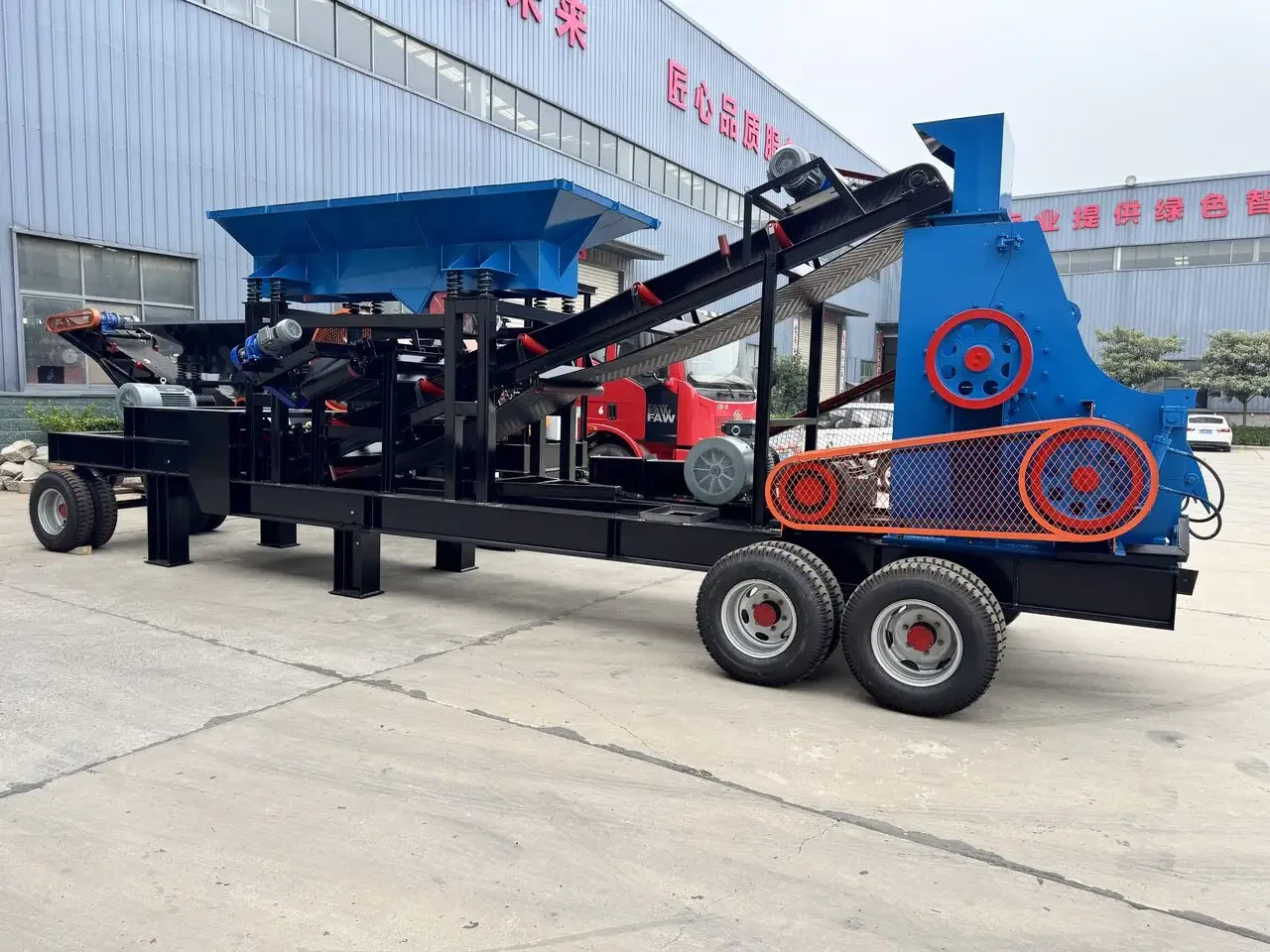
In sand production, wet and sticky material is a common headache: conventional screens blind over, the crushing chamber clogs, and output drops sharply. The double-rotor screenless sand making machine takes a different approach — it removes the bottom screen entirely.
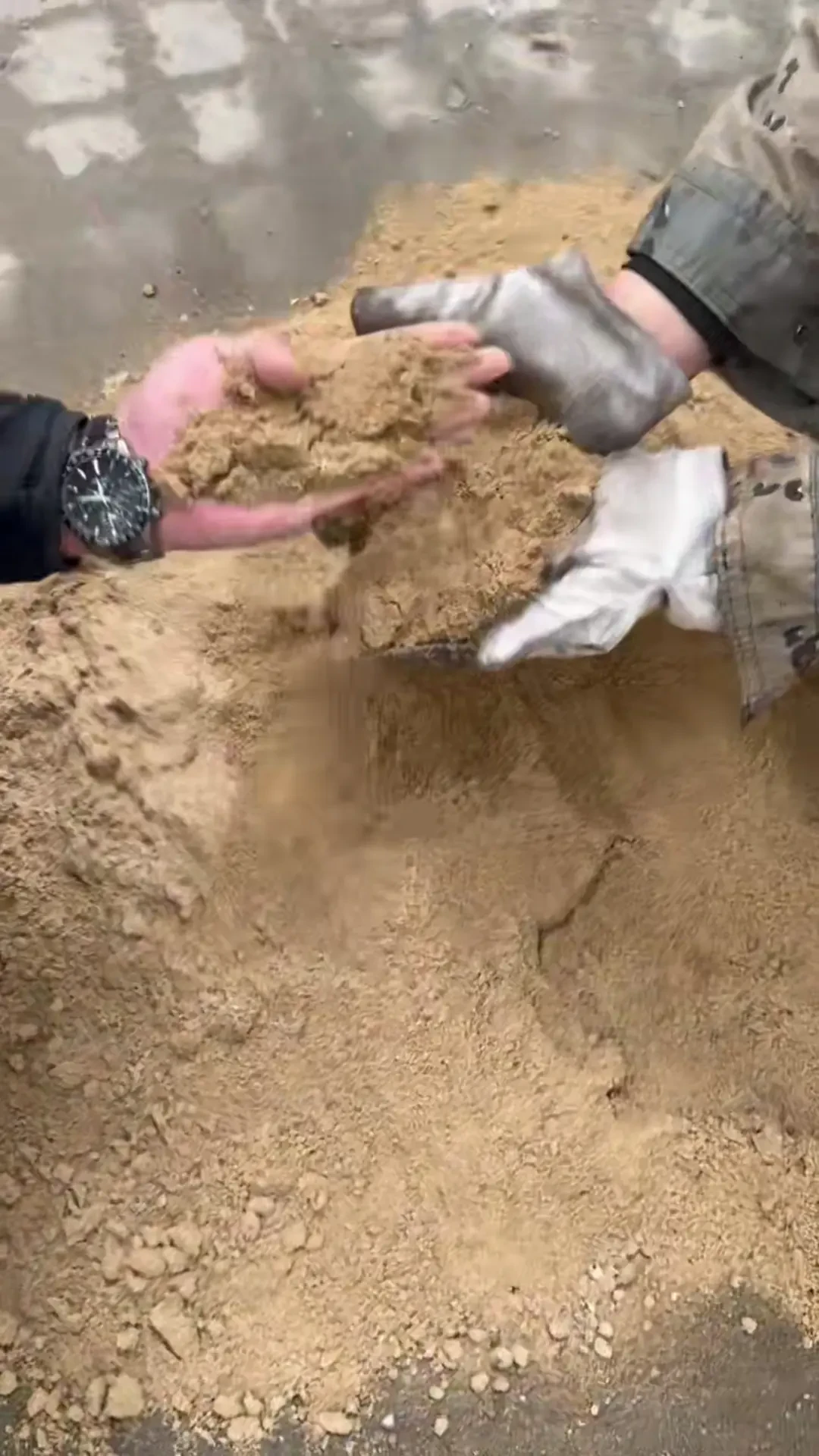
Material enters the upper rotor for primary impact crushing, then falls directly into the lower rotor for secondary fine crushing. Because there is no screen grate to block the discharge, material with a moisture content of around 20–30% passes through without sticking. For operators working with river pebble, weathered rock, coal gangue or construction waste in rainy seasons, this means the line keeps running instead of stopping for manual cleaning.
Finished fineness is controlled by adjusting the gap between the hammers and the liner plates rather than by changing screens — the smaller the gap, the finer the sand. Typical output is 3 mm or below, making the machine suitable for manufactured-sand applications. With models from 15 t/h up to 400 t/h, the range covers small contractor plants as well as full-scale sand yards.